

How to be English
I think a lot of us are looking for a better way

As I hit publish on this newsletter, England are less than a day away from the World Cup semi-final against Argentina. For a few more hours, at least, “being English” is something we can do out loud. We can fly flags, paint our faces, yell “It’s coming home!” at complete strangers and glimpse, temporarily, what it would be like to actually, you know, like the place you’re from. To feel an uncomplicated affiliation with it. For a few weeks during a football tournament, we are able to give ourselves permission to lean wholeheartedly into Englishness. But that permission can be revoked almost overnight.
I was thinking this week, as one does, what it would be like if England won. I think it’s hard to overstate how huge it would be. I’m currently working on a first draft of a novel set in the immediate present—the summer of 2026—and it occurred to me I’d have to rewrite it to include the football because an event like this would be more than just optional backdrop. But I also wondered how long it would take to get messy; how long it would take for the pure joy, the pride, the sense that maybe England is alright, actually, to get distorted by the right, torn apart by the left, and blasted into problematic ruins on all sides.
Most of the time, being English feels complicated. At any other time of year, the sight of a St George’s cross is enough to induce a shudder or revulsion and fear. So symbolic of the far right has the flag become that even seeing them around over the last month has felt slightly jarring. The version of Englishness currently being promoted, with alarming success, by Reform is horrifying and the idea of even feeling patriotic, much less using the word, is unconscionable. But watching fans from other countries celebrate during the World Cup has made me wonder what it would feel like not to have such a conflicted relationship with your own country.
Back in April, I read this essay by George Hixson about what “home” we speak of when we sing “it’s coming home” and it offered an interesting perspective on why it’s so hard to be English. The overall argument—that we just haven’t really dealt with empire—is very compelling, I think. One line in particular stood out to me. When talking about Irish cultural identity, about how much more accessible and embodied it feels, he wrote: “England’s equivalent feels buried under layers of irony and imperial residue.”
After Brexit, it seemed almost everyone I knew was discovering their foreign roots. My husband, who’s always been proud of his Welsh and Jewish heritage, would sometimes boast that none of his grandparents were English. But suddenly everyone was at it. Irish, Polish, French, Italian, Danish grandparents moved to the forefront of conversations as people clamoured for EU passports or, failing that, anything that would help them distance themselves from this fuck-up of a country. Even the Welsh, the Scottish and the Northern Irish, despite being in the same geopolitical boat, could at least say they weren’t English. But I am English. I don’t have another identity available to me. This it it. My family comes from Manchester and before that Stoke-on-Trent and before that, apparently, if you go back far enough, there’s some evidence they may have migrated from… wait for it… Hull. I’ve looked at the family trees my uncle put together, I’ve dug deep into the migration of my extended family to Australia and New Zealand, I’ve raided Ancestry.com to no avail. There’s no opt-out for me. Being English is all I have.
So what am I meant to do? The most English answer would probably be: take the piss. And sure enough, the comedy circuit is jam-packed with people making jokes about England and English people laughing at them because truly the most English thing you can do when someone tells you you’re ridiculous is agree. Self-deprecation is baked in. Never mind if it’s the seventy millionth time you’ve heard someone say English food has no seasoning, you laugh anyway because that’s the English thing to do. In the words of Homer Simpson, we’re so lame.

Being lame isn’t a national identity, but it seems like it’s the only one left. The right have claimed patriotism, the liberal response is embarrassment, irony and self-deprecation. Neither of those works for me.
In my own stand-up sets, I’ve shied away from talking about my background, partly because I don’t think it’s very interesting, but also because I haven’t yet found a way to do it that feels original and incisive. “You have to address people’s perceptions of you up top” is a common piece of advice given out to new comedians, and I get that. I just think there has to be a better punchline than “Waitrose”. On the odd occasion I have tried out a joke about growing up in Surrey (truly one of the Englishest of English counties) the response has been broadly positive. “You should do a whole bit on that,” one comic told me, after seeing my new material. But I don’t want to. I don’t want to reduce myself to a polite stereotype. There are so many far more ridiculous things about me. And about this country.
I really don’t want to be difficult. I am loath to cause a scene. I just think there’s more to us than pork pies and repressed emotions (and I say that as someone who is intimately familiar with both). And, look, I enjoy a video of an American talking about the things they’ve observed about English culture as much as the next person. I’ve been known to crack a smile at Very British Problems posts on Instagram. But it’s not ideal that the only acceptable way to be English is to stand in an orderly queue along the spectrum of polite embarrassment to self-flagellation. It doesn’t feel great, in all honesty. I am also increasingly convinced that if we want to resist the far right in this country, we have to find something other than shame hang our identity on. I don’t know if we can claw back patriotism from the right, but disavowing the country doesn’t seem like the answer either.
I don’t think I’m the only one looking for better ways to be English. I’ve noticed a quiet search going on. Back in December, the FT ran a feature entitled How heritage brands became cool again. “By returning to their roots, playing on nostalgia and focusing on craft, UK labels are winning back consumers looking for well-made, affordable products.” The A Very English Chat campaign asked people to suggest items they felt embodied Englishness, in an effort to take the wind out of the St George’s flag. On social media, the stirrings of a leftist patriotic movement questioning what it means to be proudly British.
I’m sure I’ve talked before in this newsletter about The Full English podcast that ran from 2022 to 2025 but it really tapped into something I’ve long been interested in: how to talk about English food properly, thoughtfully, without descending into lazy trope, without denying colonialism, but also while placing it in the context of all the many other influences on English cuisine. The Craft Council’s This Country was a year-long programme from 2024-25 exploring English identity and culture through craft. Across the board, terms like “locally-sourced” and “British-made” and “seasonal produce” and “heritage craftsmanship” have crept into advertising and social media copy.
The surge of interest in folk traditions, pagan festivals, and even witchcraft is well documented across the national press. “The British folk scene is having a moment,” The Times wrote in 2024. Meanwhile, folk musicians are exploring how to embrace folk’s heritage and decolonise its reputation.
I don’t think this is nationalism, but I think it comes out of a desire to reclaim… something. Some sense of rootedness but also of movement; an evolving, integrated, resilient, workable identity, not shying away from the complexities, but building them in. Perhaps my favourite example is Kae Tempest’s track, Salt Coast from their 2022 album The Line Is A Curve. When I first listened that song I almost couldn’t believe it. I couldn’t believe that someone else might be feeling what I’d been feeling. But I also couldn’t believe they would say it out loud. It feels so taboo. It feels almost impossible to say I love you.
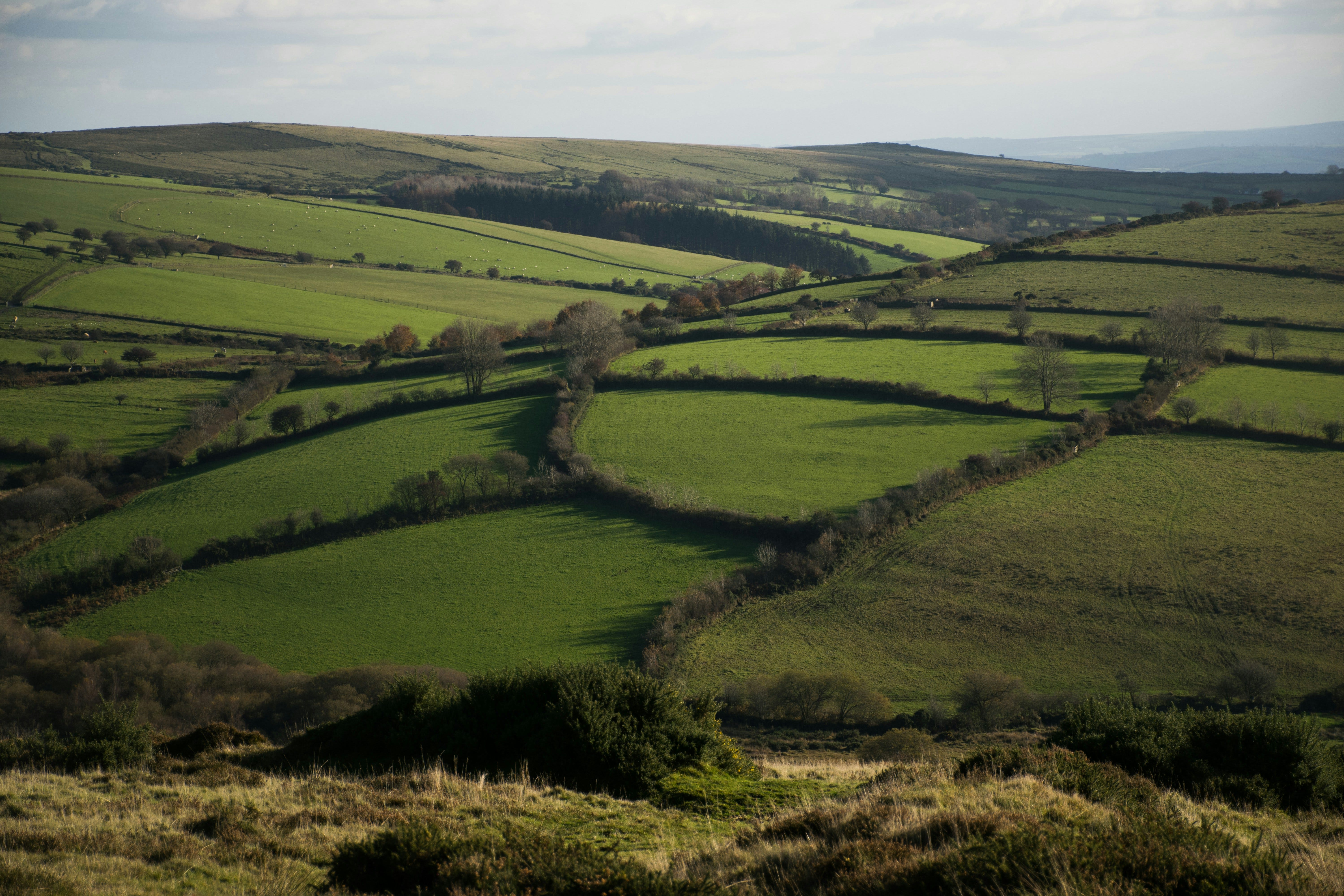
Because I do love this country, I think. At least, I want to. Returning from my sister’s wedding a few weeks ago, I looked out of the aeroplane window as we began our descent towards Gatwick and thought, affectionately, how green it looked, a lush patchwork rising up from the Channel. Flying back in over the Sussex coast and up over the High Weald before banking left towards Crawley, the Blakean landscape spread out below, I wondered what it would be like to let myself embrace this feeling of homecoming: This is where I am from. It belongs to me, I belong to it. And it’s so green! Look at all those trees! You know… it’s actually really beautiful here.
Really Good Tomatoes is a newsletter about culture and human behaviour for people who refuse to be fobbed off with crap tomatoes.

Something sexy.
I have been asked a few times now if I have seen The Invite. A friend even told me that one of his FIRST THOUGHTS at the end was “I wonder whether Franki would like this.” I don’t even know where to start with that. Is it a compliment? A challenge? Or something else. Anyway, I’m going to see it on Thursday and I will have thoughts for you next week.
I’ve been thinking a lot about where we are in the culture when it comes to non-monogamy. As some of you know, I wrote a book proposal for a non-fiction book on the subject three years ago, which I then ditched because I realised I didn’t actually want to write a non-fiction book about non-monogamy and was actually using it to try to haul myself out of the pit of depression and existential dread which I think we can all agree is a very labour-intensive way to, essentially, cheer yourself up. Anyway, it has occurred to me that even in the space of three years, the narrative around non-monogamy has shifted and I’m not sure the angle I pitched then would be quite right now which is fascinating. So I’d like to dig into that a little bit.

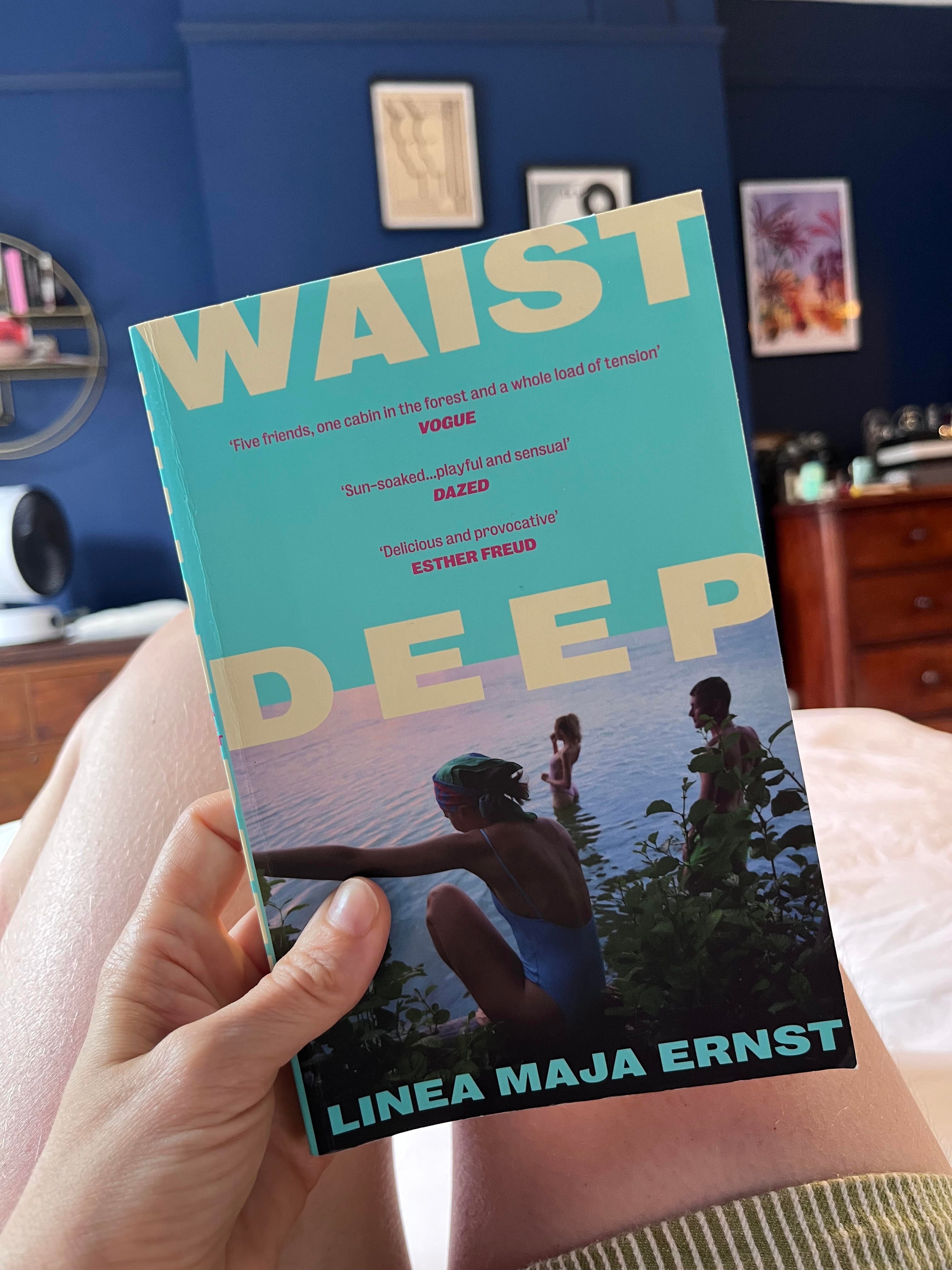
I say “currently” I actually finished reading this on the way back from Kefalonia a few weeks ago. It’s a quick read, I whipped through it, and there are moments of really lovely writing. It’s been hailed as “a truly millennial book” and I understand why. It certainly captures something. I also think it handles the subject of non-monogamy—or, more accurately, people’s feelings about it—deftly, which is the main reason I mention it. (Sidenote: Maybe fiction is a better way to write about it.) But I wasn’t sure about the story. Is fancying-people-you’re-not-meant-to-fancy provocative in 2026? Kind of just sounds like life. But maybe I think that precisely because I’m a millennial. Have you read it? Let me know your thoughts.

About Franki
I’m an award-winning journalist, writer, editor, and producer interested in culture, human behaviour, and the way we live. Want to hear more from me?
Brilliant piece, Franki. It's amazing to see that you took something from my piece a couple of months ago. It was my most personal one to date, but felt necessary because this is a collective conversation our country needs.
I think you're right that there's a subtle search going on. The folk revival, the craft movement, the local and seasonal instincts creeping into how people shop and eat. None of it has a name yet. Maybe that's fine. Maybe it doesn't need one.